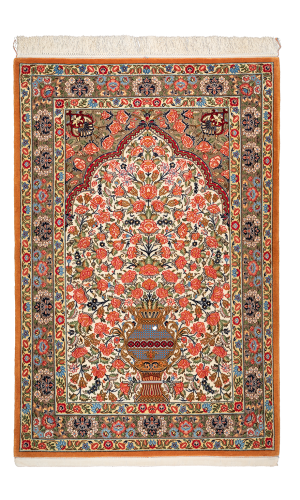
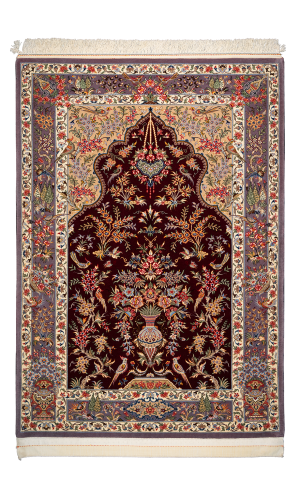
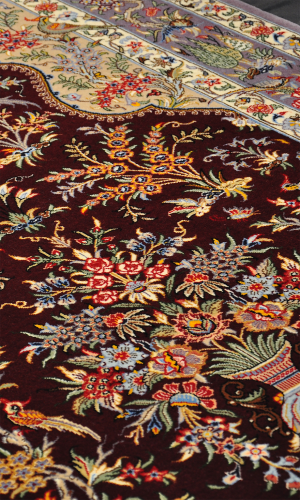
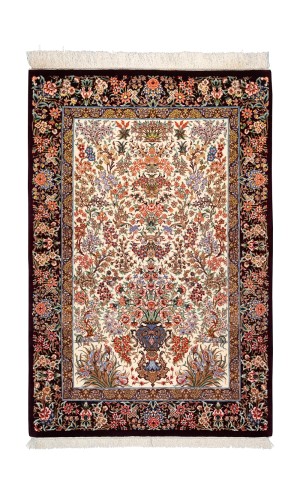
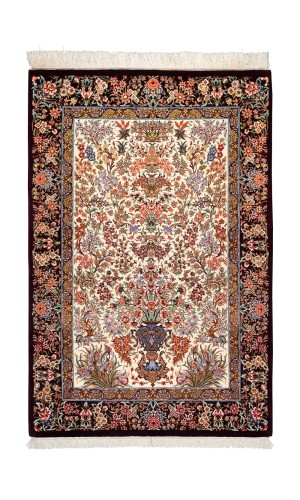
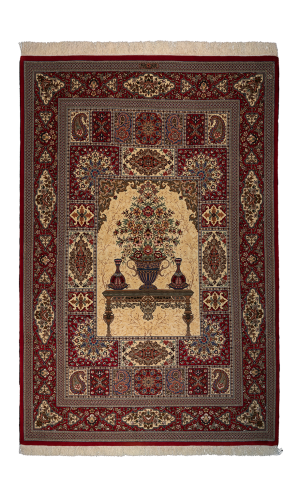
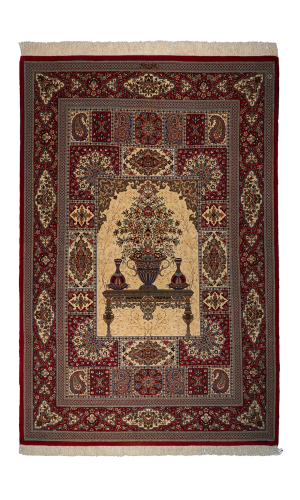
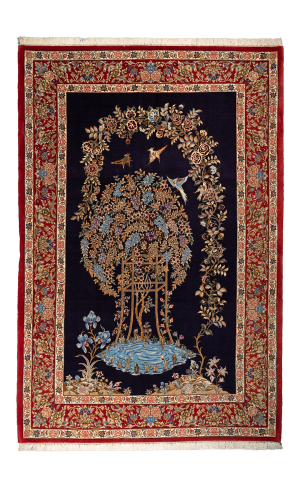
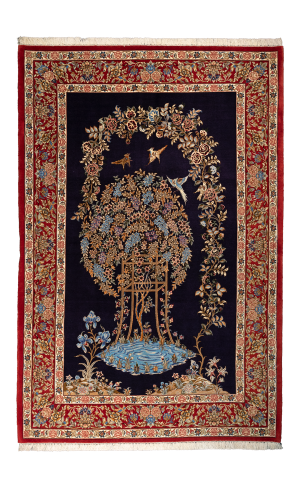
Flower Pot Persian Rugs are not just floor coverings but vibrant expressions of Persian artistry and cultural heritage. Their unique depiction of flower pots, often overflowing with blossoms, brings a touch of nature, elegance, and tradition to any space. This article delves into these beautiful pieces' history, symbolism, and craftsmanship, offering enthusiasts and potential buyers insights.
The Artistry of Flower Pot Persian Rugs
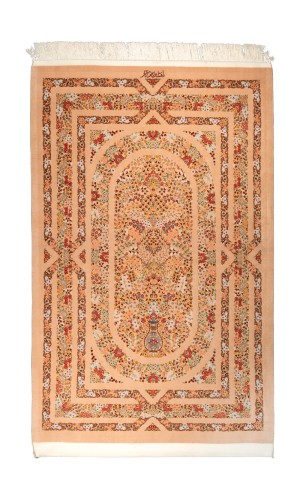
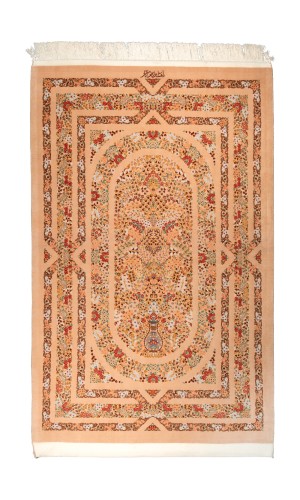
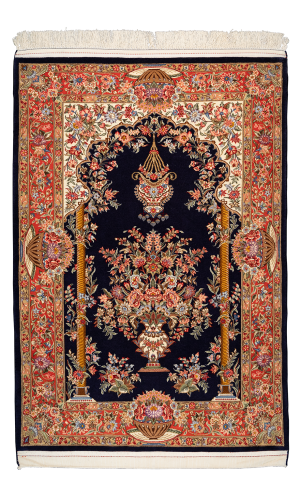
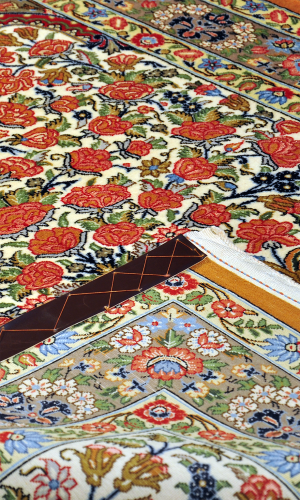
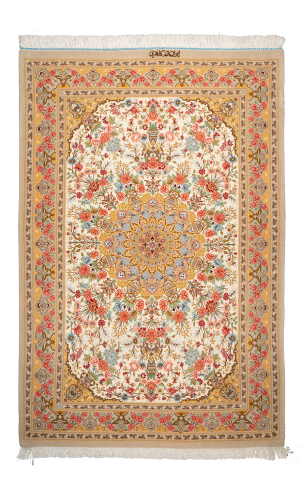
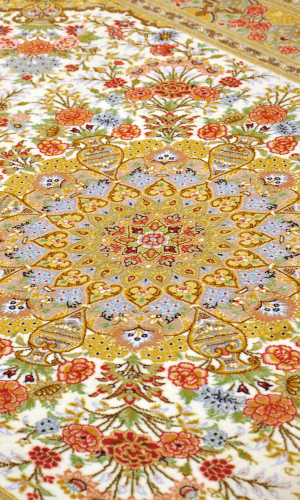
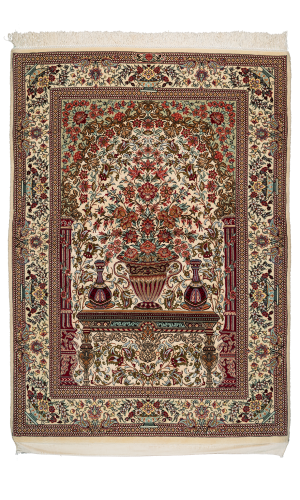
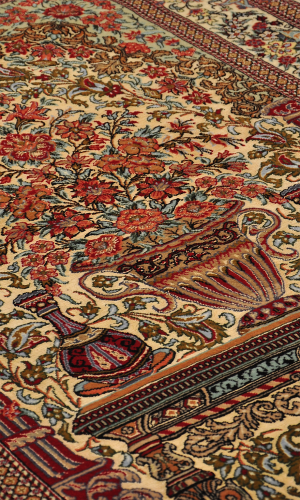
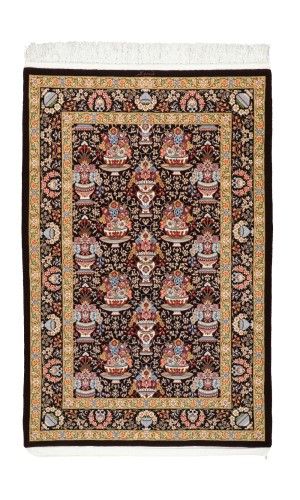
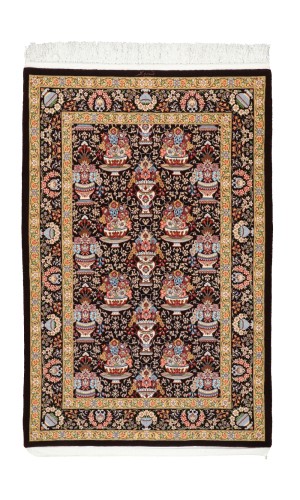
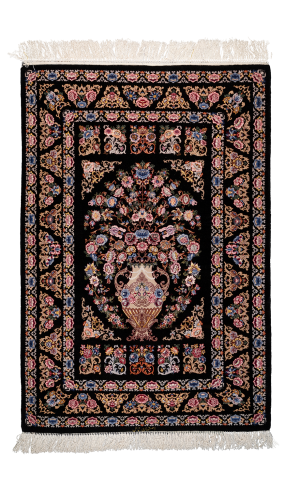
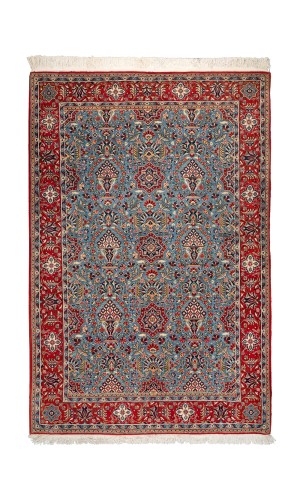
Flower Pot Persian Rugs are easily recognizable by their central motif: a stylized depiction of a flower pot, typically filled with an array of flowers, leaves, and sometimes even birds. These designs can range from highly realistic portrayals to more abstract and geometric interpretations. The surrounding field of the rug often features complementary floral patterns, vines, or geometric borders, enhancing the overall composition. Standard colors include rich reds, blues, creams, greens, and gold, creating a warm and inviting palette. These rugs are woven using traditional Persian techniques, primarily hand-knotting, which allows for intricate detailing and high knot density.
Historical Significance of Flower Pot Motifs
The flower pot motif in Persian art has deep historical roots, dating back centuries. Gardens have always been significant in Persian culture, representing paradise on earth. The flower pot, as a contained representation of this idealized natural world, became a popular motif in various art forms, including miniature painting, tilework, and, of course, rug weaving. Its presence in historical examples suggests a long-standing tradition, likely gaining further popularity during increased trade and cultural exchange, spreading its influence across different regions of Persia.
Symbolism in Flower Pot Designs
The symbolism of the flower pot motif is rich and multifaceted. The flowers represent beauty, growth, and renewal, while the pot symbolizes containment, stability, and nurturing. Together, they can be interpreted as a representation of life, fertility, and the cyclical nature of seasons. In some interpretations, the flower pot can symbolize the Garden of Eden or paradise, reflecting the deep connection between nature and spirituality in Persian culture. The specific types of flowers depicted can also carry symbolic meaning. For example, roses often represent love and beauty, while lilies can symbolize purity and innocence. Understanding these deeper meanings can enrich our appreciation of these beautiful rugs.
Crafting Techniques Behind The Beauty
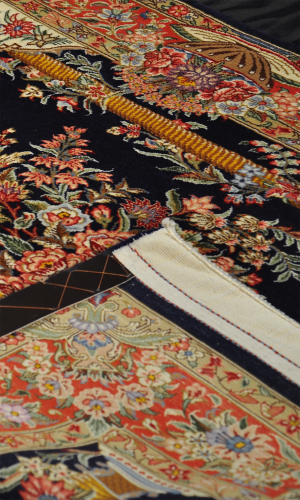
Creating a Flower Pot Persian Rug is a painstaking process requiring immense skill and patience. Skilled artisans, often women, meticulously hand-knot each knot following a pre-designed pattern. The wool is typically high-quality sheep's wool, which is hand-spun using natural dyes derived from plants, roots, and minerals. The density of the knots, the quality of the wool, and the intricacy of the design all contribute to the rug's overall value and beauty. The process can take months or even years to complete, showcasing the dedication and artistry of the weavers.
Integrating Flower Pot Persian Rugs in Modern Decor
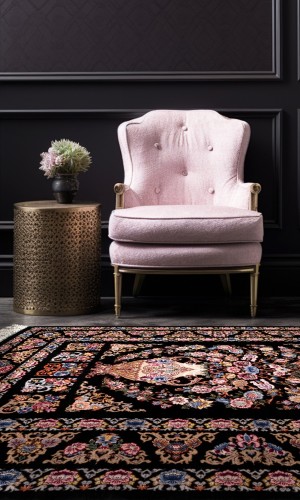
Flower Pot Persian Rugs can add a touch of timeless elegance and cultural richness to any modern interior. Their vibrant colors and intricate patterns can serve as a focal point in a room, complementing both traditional and contemporary décor. A Flower Pot rug can anchor the seating area in a living room, creating a warm and inviting atmosphere. In a dining room, it can add a touch of formality and sophistication. Consider the color palette of your room when choosing a rug. A rug with warm reds and oranges can create a cozy and inviting atmosphere, while a rug with blues and greens can create a more calming and serene ambiance. They pair well with both natural wood furniture and more modern, minimalist pieces.