WhatsApp Contact

Free shipping & Return money back guarantee online support 24/7
CALL US + 000 1584 2578

0item(s)

You have no items in your shopping cart.

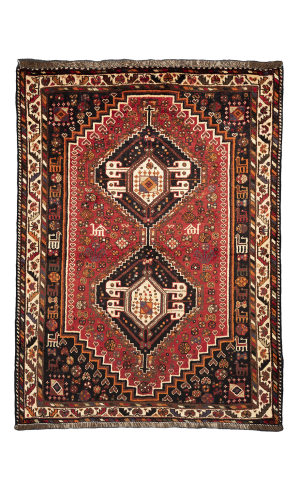
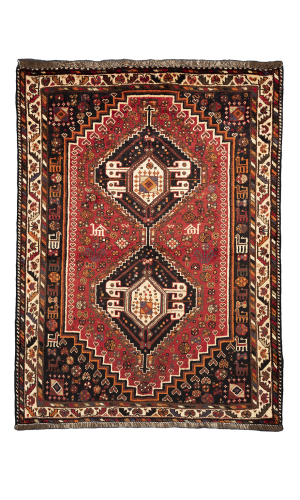
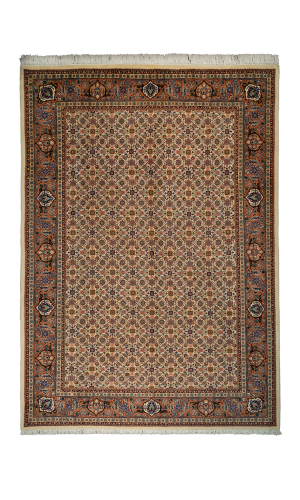
The Fish design, often called the Herati pattern, is a popular and beautiful style found in Persian rugs. This detailed design typically showcases fish shapes arranged around a central flower or diamond shape. Not only does this pattern have rich cultural meaning, but it also brings a classic and elegant look to any room.

The History and Significance of the Fish Design

The Herati pattern, believed to have come from the Herat region (now in western Afghanistan but historically part of Persia), has been a key part of Persian rug design for centuries. This pattern has roots that go back to the Safavid dynasty, which lasted from the 16th to the 18th century—a time known for its rich artistic development in Persia.

In Persian culture, fish are symbols that carry deep meanings. They often represent abundance, fertility, success, and protection from bad luck. In the ancient Persian religion of Zoroastrianism, fish are seen as guardians of the waters that give life. These positive associations have made the fish design a beloved choice in Persian art, especially in the intricate weaving of rugs.

Characteristics of the Fish Design Pattern Persian Rug

The classic Herati pattern is a popular design often seen in rugs, featuring four stylized fish that come together around a central diamond or rosette. These fish are shaped with long bodies and curved tails, creating a lively and attractive look. This pattern has many variations, with different numbers of fish or styles that change how they are depicted. The design is usually repeated throughout the rug, giving it a rhythmic and harmonious feel.

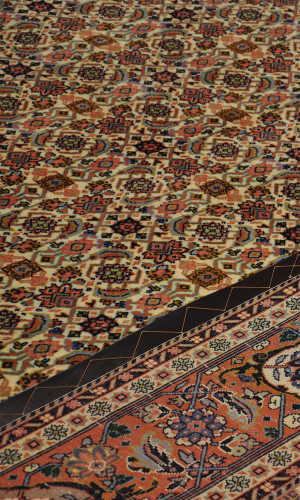
Rugs with this fish motif often showcase rich colors like deep reds, blues, ivory, and greens, which makes for a vibrant and eye-catching combination. The way these rugs are made can vary depending on where they come from, but the most valued method is hand-knotting. This careful technique allows for fine details and a dense weave, making the rugs both beautiful and durable. What sets the Herati pattern apart from other Persian designs is its unique fish arrangement and its historical connection to the Herat region.

The Craftsmanship Behind the Fish Design Pattern

Making a Persian rug with a fish design is a beautiful and intricate process requiring much skill and patience. It all begins with the wool, which is carefully spun and dyed using natural ingredients from plants and minerals. Once the wool is prepared, the design is drawn onto a loom, where skilled weavers, often women, create the rug by tying individual knots to bring the design to life. This crafting process can take many months or even years, depending on how large and detailed the rug is. After finishing the weaving, the rug is trimmed, washed, and polished to enhance its shine and showcase its stunning design. These artistic techniques and traditions are usually passed down through generations, helping to preserve this ancient craft.

Decorating with Fish Design Pattern Persian Rugs

Fish-themed Persian rugs are a fantastic choice for any home style. Their vibrant colors and intricate patterns can add a touch of elegance and charm to any room. If your home has a traditional style, a fish design rug can enhance its classic appeal and make it feel warm and inviting. In a modern space, these rugs can serve as unique focal points, bringing a bit of history and culture into your decor. They're great for living rooms, dining areas, and bedrooms.

When choosing a fish design rug, consider your room's colors. Rugs with warm reds and oranges can create a cozy vibe, while those in blues and greens can help make the space feel calm and relaxing.

Shop By

Currently Shopping by

  1. Origin: Fars Remove This Item Bakhtiari Remove This Item

Product was successfully added to your shopping cart.

Fish design

Set Ascending Direction

2 Item(s)

Set Ascending Direction

2 Item(s)