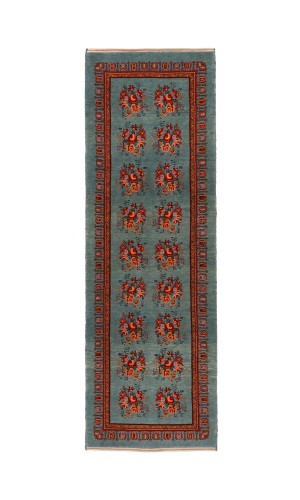
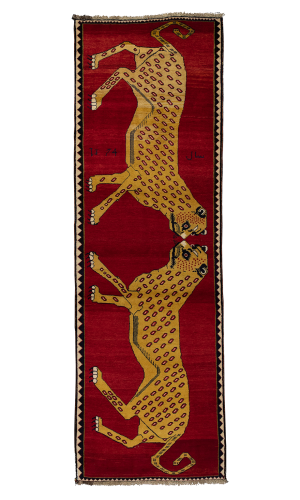
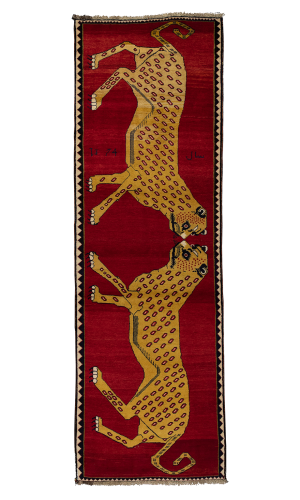
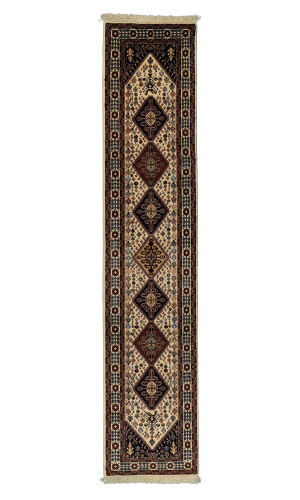
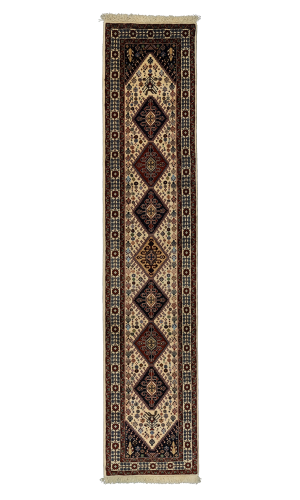
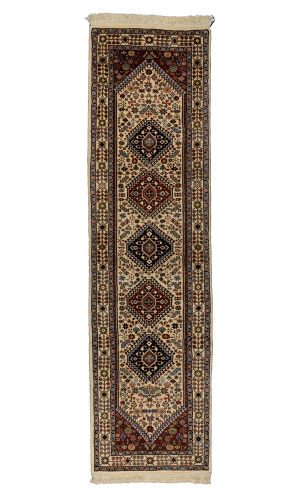
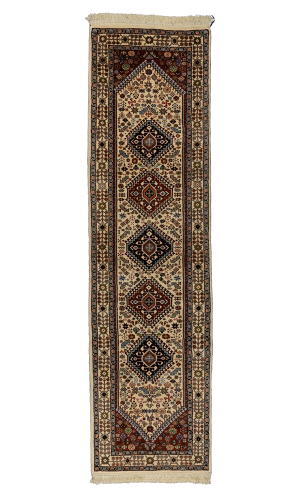
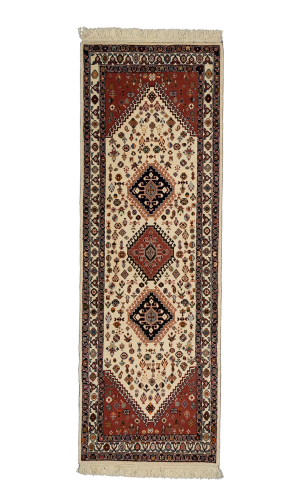
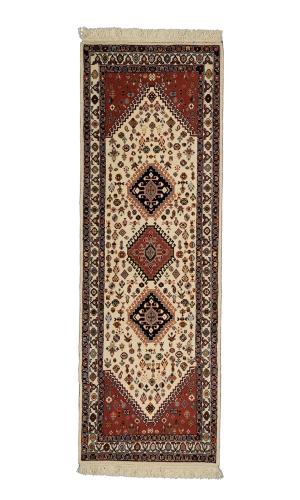
Shiraz rugs, hailing from the city of Shiraz in southern Persia, are celebrated for their tribal designs and rustic appeal. They represent the rich nomadic heritage of the Qashqai and Khamseh tribes and are handwoven by skilled artisans who have preserved centuries of weaving traditions. The history of these rugs, dating back to the 16th century during the Safavid dynasty, is a testament to the resilience and adaptability of nomadic tribes as they transmitted their weaving knowledge through generations, connecting us to our past and cultural heritage.
The designs of Shiraz rugs are not only visually striking but also carry deep cultural significance. With their unique and captivating designs, these rugs embody the nomadic lifestyle and the region's relationship with its surroundings, featuring geometric patterns and motifs inspired by nature, such as animals and plants. Often characterized by bold colors and intricate designs, they include central medallions surrounded by smaller geometric and floral patterns.
Crafted primarily from locally sourced wool, Shiraz rugs are dyed with natural pigments, resulting in a vibrant palette of deep reds, indigo blues, and warm earth tones. The traditional hand-knotting technique used by artisans ensures durability and quality, making each piece beautiful and a source of inspiration and excitement.
Shiraz is a popular tourist destination for its rich cultural experiences and historical attractions, including the Eram Garden, Nasir al-Mulk Mosque, and Vakil Bazaar. With mild winters and warm summers, it is an inviting place for visitors year-round, offering a range of accommodations from luxury hotels to traditional guesthouses.
Embracing the beauty and craftsmanship of Shiraz rugs allows one to bring a piece of this nomadic artistry into one's home, transforming it with a unique blend of history and cultural richness.